

How to Select Rural Homesites With Confidence

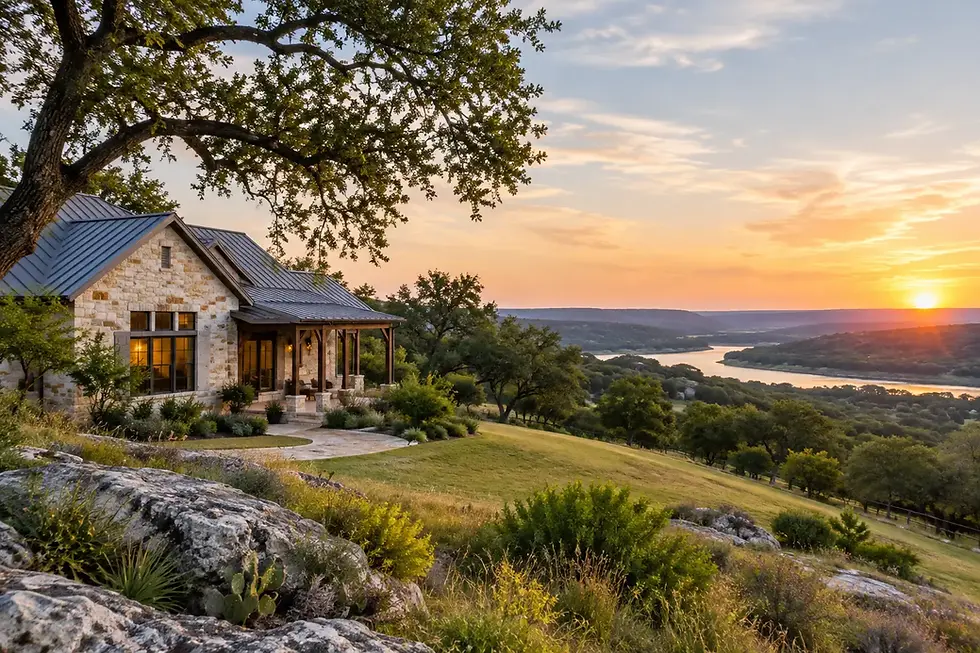
A beautiful view can make almost any piece of Hill Country land feel like the right one. But when you are deciding how to select rural homesites, the view is only the beginning. The best homesite balances the life you want to live with the practical details that affect what you can build, what it will cost, and how the property will hold up over time.
On acreage, the house is only part of the decision. Access, water, wastewater, topography, utilities, restrictions, and usable ground all carry weight. A clear evaluation before you buy protects both your buying power and your options after closing.
Start With the Life You Want the Property to Support
Before walking lots, define what the property needs to do for you. A weekend retreat, a full-time family home, a horse property, and a long-term land investment can all point to very different homesite choices.
If you want privacy and dark skies, a homesite farther from the road may be worth the longer driveway and higher utility costs. If you expect frequent guests, aging parents, or deliveries, easy access and flatter terrain may matter more than a dramatic ridgeline. If livestock, gardens, workshops, or short-term future expansion are part of the plan, protect usable acreage instead of placing the home in the middle of it.
This is where buyers can get ahead of themselves. They fall in love with one building pad before looking at the whole tract. A better approach is to identify two or three possible homesite areas, then compare what each one means for views, privacy, construction, drainage, and daily use.
How to Select Rural Homesites Beyond the View
A strong homesite should work in every season, not just on a clear afternoon in spring. Walk the property with a practical eye. Notice where water naturally moves after rain, where the sun hits in late afternoon, how the wind moves across the land, and whether the route to the proposed house location makes sense for construction vehicles as well as everyday driving.
Access Is Part of the Property Value
Confirm how you will legally and physically reach the homesite. A gate off a county road is straightforward only if the access is established, safe, and suitable for the use you intend. On larger tracts or properties served by private roads, understand who maintains the road, what the annual obligations are, and whether construction traffic can use it without creating problems.
Then look beyond the entrance. A quarter-mile driveway through rock, steep grades, drainage crossings, or heavy tree cover can become a meaningful project. The most private homesite may also be the most expensive one to reach. That does not make it a bad choice, but it should be a deliberate trade-off.
Utilities Need a Real Plan, Not an Assumption
Electric service, water, internet, and wastewater are often the difference between a promising tract and an expensive surprise. Utility lines visible from the road do not necessarily mean service is available at your preferred building location or that extending it will be simple.
Ask where existing electric infrastructure sits and what route would be required to serve the home. Cell coverage and internet options deserve the same attention, particularly for buyers who work remotely or rely on smart-home systems. In some Hill Country areas, reliable connectivity is available. In others, it varies from one ridge to the next.
Water deserves its own evaluation. A community water connection can be convenient, but confirm availability, capacity, meter requirements, and the path to the homesite. If a well is the likely source, review available well information from nearby properties and speak with qualified local professionals about the area. Well depth, production, water quality, and drilling conditions can vary substantially within a short distance.
For wastewater, determine whether the property will rely on a septic system and where a suitable system could be placed. Soil conditions, slope, drainage, and the planned home size all influence the solution. Do not assume a homesite works simply because a neighboring property has a septic system.
Read the Land From the Ground Up
Topography creates the character buyers want in the Texas Hill Country, but it also drives cost and usability. Gentle slopes can create an elevated view and good drainage. Steep terrain can limit the building envelope, complicate a driveway, and require more site work than expected.
Walk the proposed area rather than judging it from a listing map or the road. Look for limestone shelves, shallow soil, low spots, seasonal creeks, and signs of runoff. A site with mature oaks may be appealing, but preserving trees while creating enough room for a house, septic area, driveway, and outdoor living takes careful planning.
Floodplain and drainage conditions should be evaluated early as well. A homesite may sit well above a creek while the only practical driveway crossing or a portion of the usable yard is affected by drainage. The question is not simply whether a tract has water on it. The question is how water affects your intended use of the land.
Sun, Wind, and Orientation Shape Everyday Living
Good rural homesites take advantage of the setting without ignoring Central Texas heat. Western exposure can deliver a big sunset view, along with intense afternoon sun. A thoughtful home design can address that with covered outdoor space, shade, and window placement, but orientation should be part of the conversation before the site is chosen.
Think about where you want morning light, how you will use patios and pools, and which views deserve to be framed from the main living areas. Consider prevailing winds, too. They can improve outdoor comfort, but they can also carry road noise, odors, or weather across an exposed ridge.
Protect Your Ability to Use the Land
A rural property may have deed restrictions, a property owners association, easements, building guidelines, agricultural use considerations, or local requirements that affect what you can do. These items are not background paperwork. They can determine house size, exterior materials, fencing, livestock, guest accommodations, outbuildings, and whether you can subdivide later.
Review the survey and title materials closely to understand boundaries, access, utility easements, pipeline easements, shared-drive agreements, and other encumbrances. The usable part of a tract is not always the same as the acreage stated in the listing.
If you are buying with future flexibility in mind, ask direct questions now. Can the land support a second structure? Is there another logical building area? Would a future division be possible under the applicable restrictions and local rules? There may not be a need to act on those options immediately, but preserving them can strengthen your long-term position.
Evaluate Cost as a Whole, Not Just the Land Price
The purchase price is one line item. Preparing a homesite can involve driveway work, clearing, rock excavation, utility extensions, a well or water connection, septic design, drainage improvements, fencing, and construction staging. The difference between two similarly priced tracts can be substantial once those factors are considered.
That is why the least expensive land is not always the best value, and the most scenic site is not automatically the strongest purchase. A tract with existing infrastructure, straightforward access, and a practical building envelope may give you more room in the budget for the home itself.
During your evaluation period, bring the right people to the property. A builder familiar with rural construction can assess site feasibility. Utility providers can clarify service. Septic, well, survey, and land professionals can help identify issues that are difficult to spot during a first showing. This is not about making the process complicated. It is about getting clear answers before a small unknown becomes a major expense.
Keep One Eye on Resale
You may intend to keep the property for decades, and that is often the point of buying land. Still, it helps to consider what the next buyer will value. Reliable access, a compelling but usable homesite, water options, reasonable restrictions, and a clear path to build tend to matter in every market.
Privacy has value, but total isolation can narrow the buyer pool. A dramatic slope can be memorable, but a functional level area for a home, parking, and outdoor living often carries more practical appeal. The best rural properties usually offer both character and usability.
The right homesite should make the rest of the property better. It should preserve the view without sacrificing access, place the home where it belongs without wasting usable ground, and give you a realistic path from raw land to a place you want to return to. Take the time to walk it, question it, and picture the ordinary days there. That is where a confident land decision begins.


Comments